500lb Adjustable Dip Bar Station for Strong Home Workouts
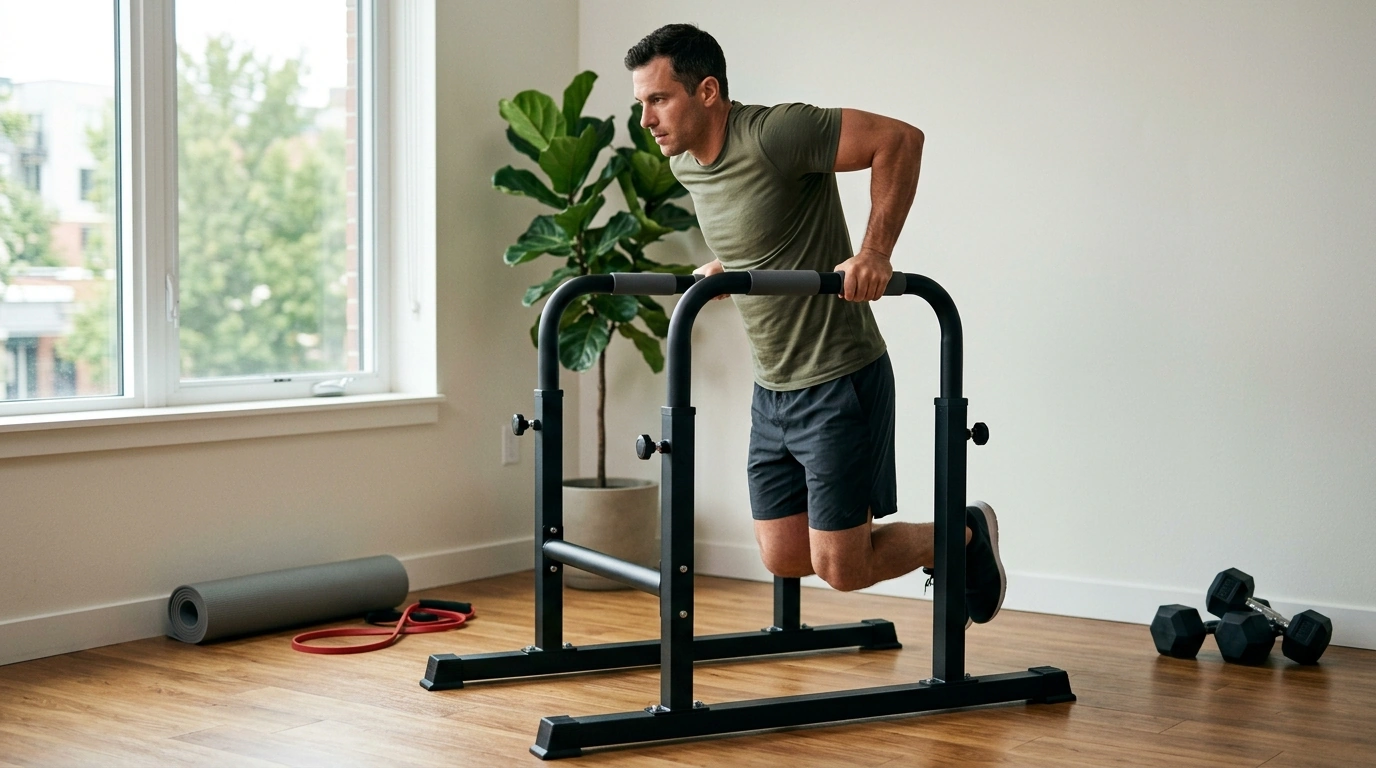
Adjustable Heavy Duty Dip Bars: Big Strength in a Small Home-Gym Footprint
A dip station can stand in for several bulky machines when it’s stable, height-adjustable, and built to handle real training loads. With the right setup, an adjustable heavy duty dip bar station rated up to 500lbs becomes a practical home base for chest and triceps strength, shoulder stability, and core work—without taking over the room. For more guidance, see 2026 Act Fast Dip Stands.
Because dips are a bodyweight movement that can be progressed for years (via tempo, range of motion, and added weight), the quality of the station matters as much as the workout plan. Comfort, shoulder-friendly positioning, and “no-wobble” stability are what make consistent training feel safe and repeatable. For further reading, see Power Tower Dip Station Pull Up Bar for Home Gym ….
What a Heavy Duty Adjustable Dip Station Adds to a Home Gym
- Compound pushing strength with minimal floor space—dips train chest, triceps, shoulders, and upper back support muscles.
- Height adjustability helps match different body sizes and movement goals (dips, knee raises, support holds).
- A higher load rating can provide confidence for weighted dips and progressive overload as strength improves.
- Versatility for calisthenics, bodybuilding accessories, and general fitness—especially if you like training at home with fewer tools.
Key Features That Matter for Comfort and Safety
Numbers on a product page are helpful, but day-to-day training depends on how the station behaves under dynamic reps. Prioritize stability first, then dial in adjustability and grip comfort.
- Load rating and real-world stability: capacity is only meaningful if the base is wide and doesn’t rock during reps, pauses, or small balance shifts.
- Adjustable height range: set bars so shoulders can stay down and back at the top—this usually feels better on the joints than shrugging into lockout.
- Grip feel: comfortable handle diameter plus a non-slip surface helps reduce hand fatigue when sets get longer or sweatier.
- Footprint and base design: wider bases are typically steadier; confirm it fits the space with elbow/knee clearance.
- Floor protection: rubber feet or protective pads help prevent sliding and reduce noise on tile or hardwood.
- Build quality: solid steel tubing, reliable welds, and secure adjustment pins/knobs reduce wobble over time.
| Item | What to check | Why it matters |
|---|---|---|
| Capacity | 500lbs rating and sturdy base contact | More confidence for weighted reps and less wobble |
| Height settings | Enough range for your torso length and dip depth | Better shoulder position and smoother reps |
| Grip | Non-slip handles and comfortable thickness | Less hand fatigue; safer sets |
| Footprint | Fits the room with clearance for elbows and knees | Prevents collisions and awkward setups |
| Floor contact | Rubber feet/pads; no sliding on tile/wood | Improves stability and reduces noise |
How to Set the Right Height for Dips
- Start with enough clearance: set the bars high enough that your feet clear the floor in the bottom position without excessive knee tucking.
- Own the top position: lock out the elbows while keeping shoulders depressed (avoid shrugging). Think “push the bars down.”
- Use shoulder-friendly depth: go only as deep as your shoulders tolerate comfortably; increase depth gradually as mobility and control improve.
- If discomfort shows up: reduce depth, slow the tempo, and re-check bar height and grip width before adding volume or load.
For technique references and form variations, the American Council on Exercise (ACE) exercise library is a solid starting point.
Training Progressions for Home Workouts (Beginner to Advanced)
- Beginner: top support holds, negative reps, and assisted dips using a band or light foot contact to learn control.
- Intermediate: full-range bodyweight dips with a controlled tempo; add a pause near the bottom to build stability.
- Advanced: weighted dips (dip belt or a secure backpack), slow eccentrics, and cluster sets to build strength without rushing fatigue.
- Complementary moves: incline push-ups, close-grip push-ups, and overhead triceps work to round out pressing strength.
For a simple, safe progression mindset (volume first, then load), reference the NSCA educational resources on resistance training basics.
Core and Lower-Body Accessories Using the Same Station
Sample 3-Day Home Routine Centered on Dips
Common Form Mistakes and Fixes
Product Spotlight: Adjustable Heavy Duty Dip Bar Station – 500lbs Capacity
If home training requires stability and room to progress, an adjustable, high-capacity station is a practical upgrade. The Adjustable Heavy Duty Dip Bar Station – 500lbs Capacity for Home Workouts is designed to keep setups compact while still supporting dips, support holds, knee raise variations, and L-sit progressions.
At-a-Glance Details
| Detail | Value |
|---|---|
| Product | Adjustable Heavy Duty Dip Bar Station – 500lbs Capacity for Home Workouts |
| Capacity | 500lbs |
| Price | 65.51 USD |
| Availability | In stock |
For recovery and consistency, pairing strength training with a simple relaxation routine can help manage stress and improve sleep quality. Meditations for Self-Love & Worthiness | Audio Course can be a convenient option for rest days or post-workout wind-down.
Care, Maintenance, and Placement Tips
FAQ
Is a 500lbs-rated dip station suitable for weighted dips?
Yes, a higher rating can improve confidence, but safe weighted dips also depend on base width, the floor surface, secure adjustment points, and controlled technique. Add weight gradually and test for any wobble before pushing heavier sets.
How high should dip bars be set for comfortable reps?
Set the bars high enough that your feet clear the floor at the bottom without extreme knee tucking, and low enough that the top lockout feels strong without shrugging. Choose a depth that doesn’t aggravate shoulders, then adjust as flexibility and control improve.
What exercises can be done besides dips?
Common options include knee raises, controlled leg raises, L-sit progressions, and top support holds for shoulder stability. Push-up variations (incline or close-grip) also pair well to build balanced pressing strength.











Leave a comment